We wanted to rethink the entire relationship between design, production, and sustainability.
For more than 20 years, our work focused on furniture and product development. But one frustration kept returning: great ideas often disappeared somewhere between sketch and factory floor.Traditional production is slow, expensive, and heavily dependent on large industrial systems.
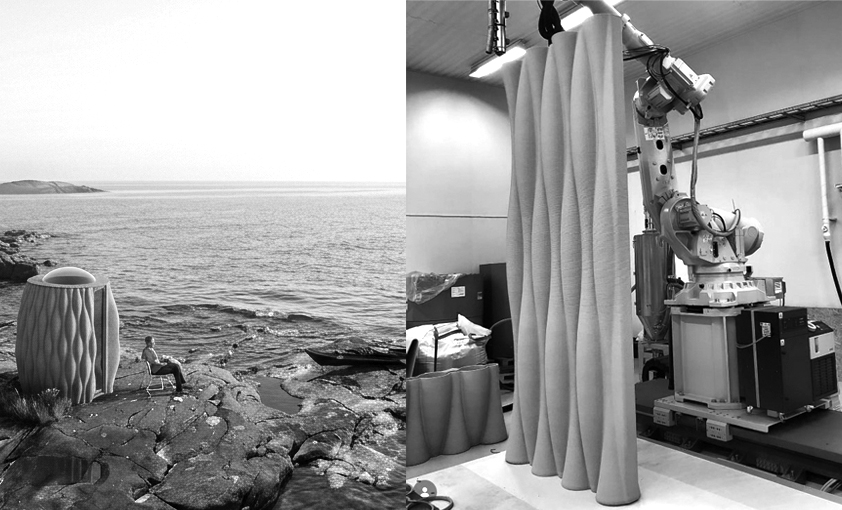
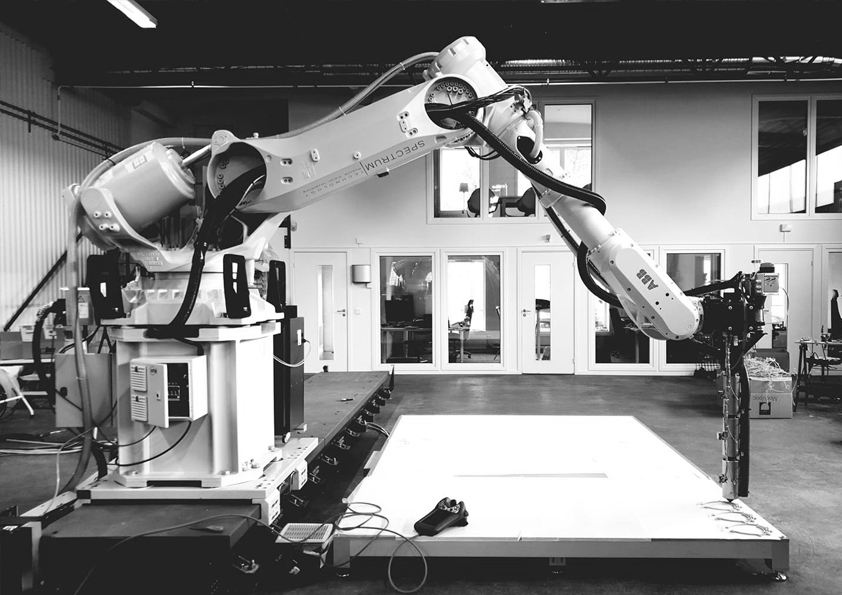
Prototypes take weeks. Tooling costs are high. And too often, innovative ideas are compromised before they ever reach production. So we asked ourselves- What if designers could control the entire process — from concept to manufacturing? That question led us into large-scale robotic 3D printing.After years of experimentation, we built one of Europe’s largest robotic 3D printing systems. Not because we wanted bigger machines, but because we believed furniture production needed a completely different logic.
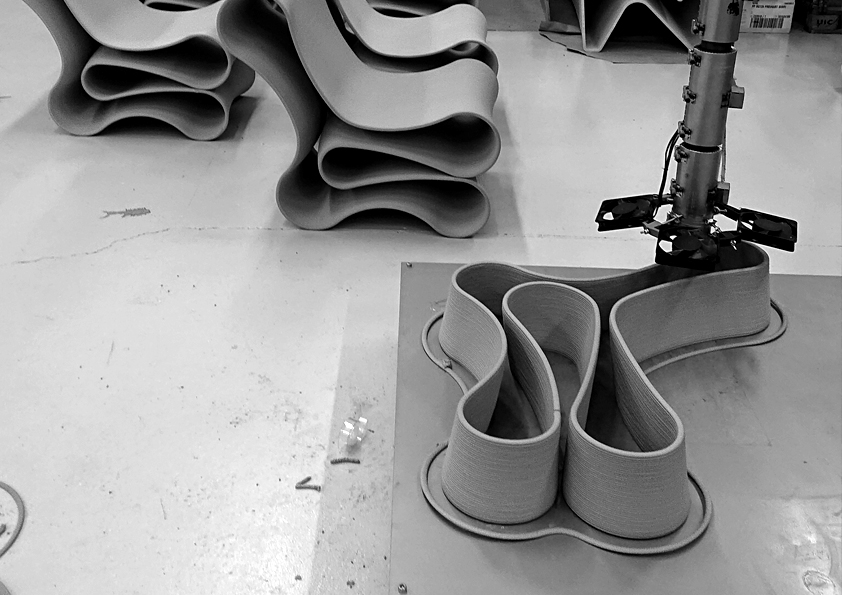
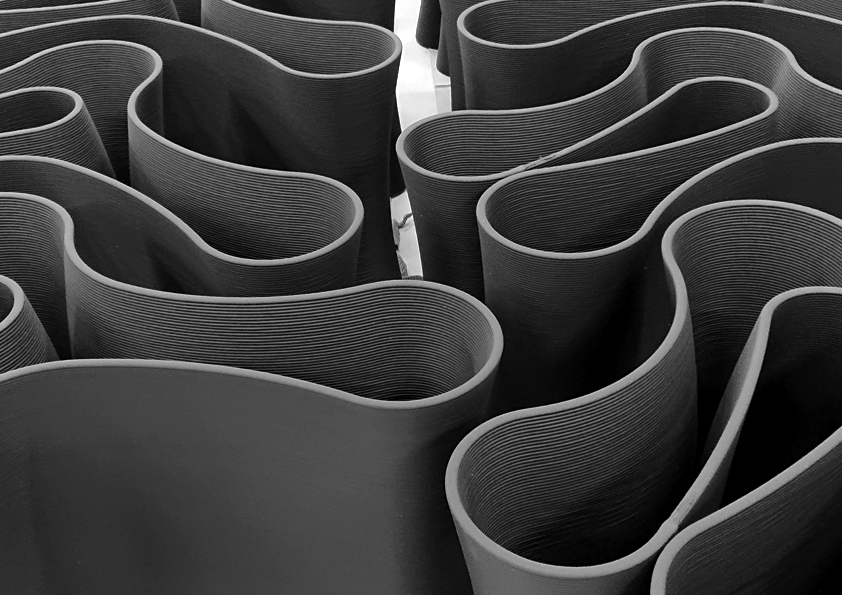
The result was the Reform Chair — a project where design and technology became inseparable. Every curve in the chair exists for a reason. The flowing geometry allows the robot to move smoothly, creating a cleaner surface and stronger material structure. The layered printing path controls heat distribution during production, reducing deformation and improving precision. Nothing is decorative without purpose. For us, robotic production is not about replacing craftsmanship.
It is about creating a smarter and more sustainable way to manufacture furniture for the future.