At Reform Design Lab, we believe the future will work differently.
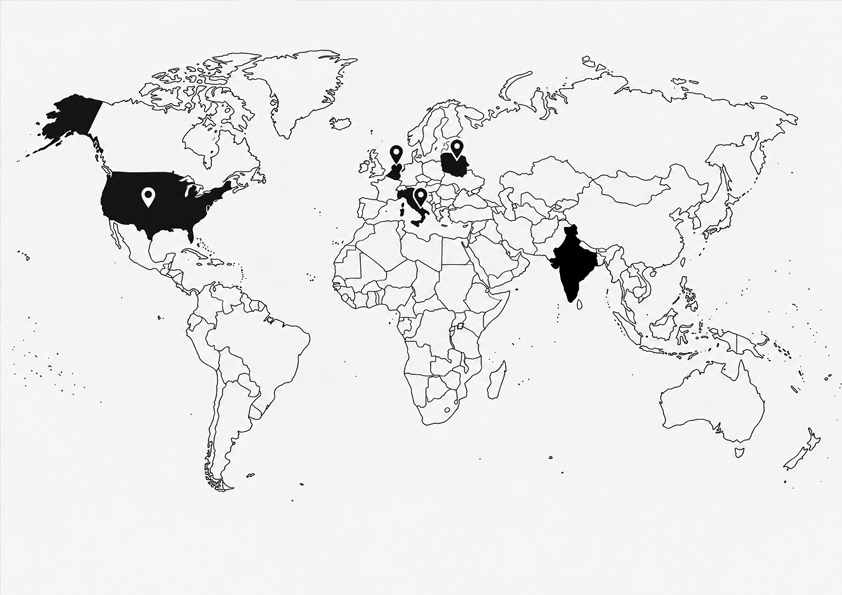
Instead of manufacturing thousands of products before demand exists, we see a future where furniture is produced locally, digitally, and only when needed.
This is not science fiction anymore — it is already technically possible.
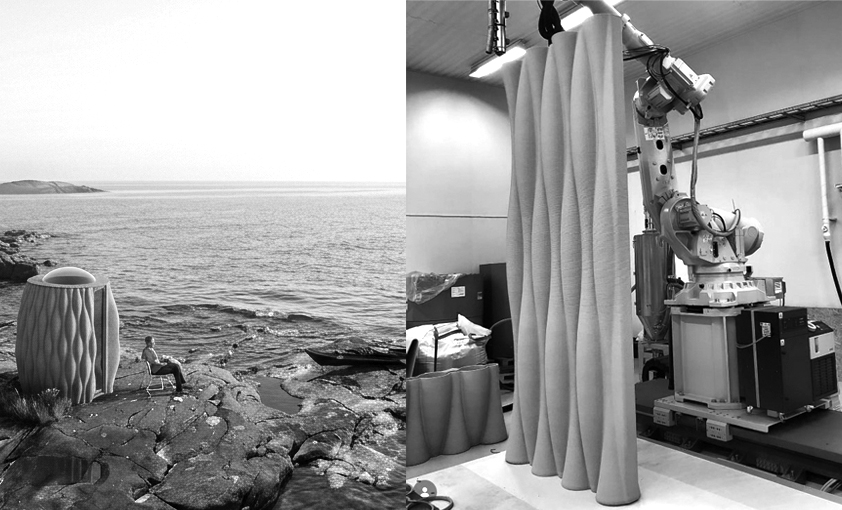
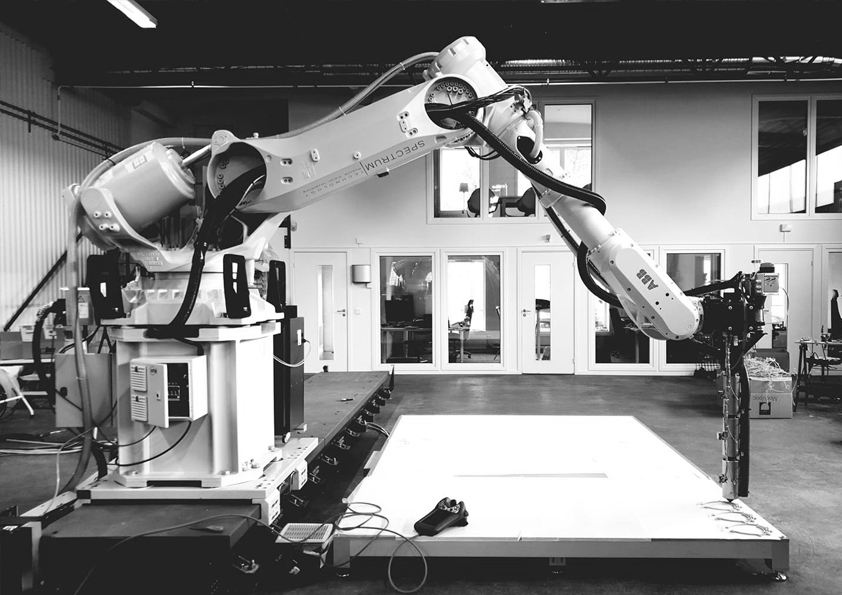
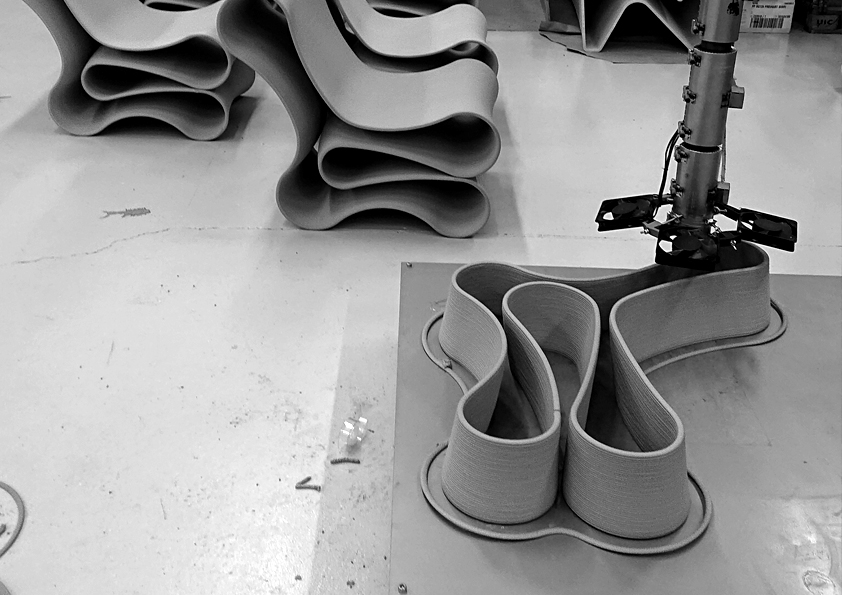
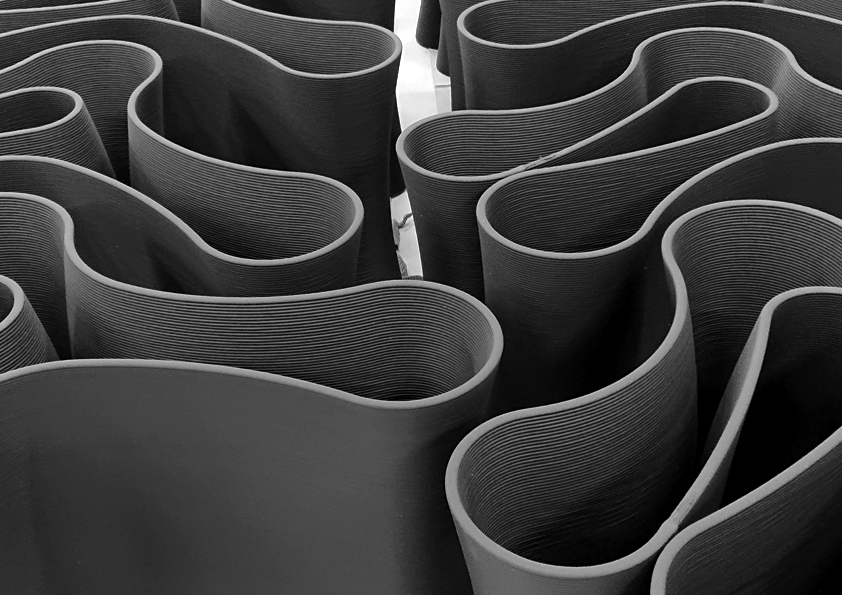
Robotic additive manufacturing allows production to become highly flexible. The same machine can print furniture, interior objects, architectural elements, or custom solutions with minimal setup changes.
At the same time, digital production creates opportunities for personalization that traditional manufacturing struggles to offer economically.
For designers, this changes everything.
Products no longer need to be locked into massive tooling investments or rigid factory systems. Design becomes more adaptive, responsive, and experimental.
For consumers, it means something even more important:
A closer connection to production itself.
Instead of anonymous mass production, furniture becomes part of a transparent manufacturing ecosystem where users understand materials, lifecycle, and origin.