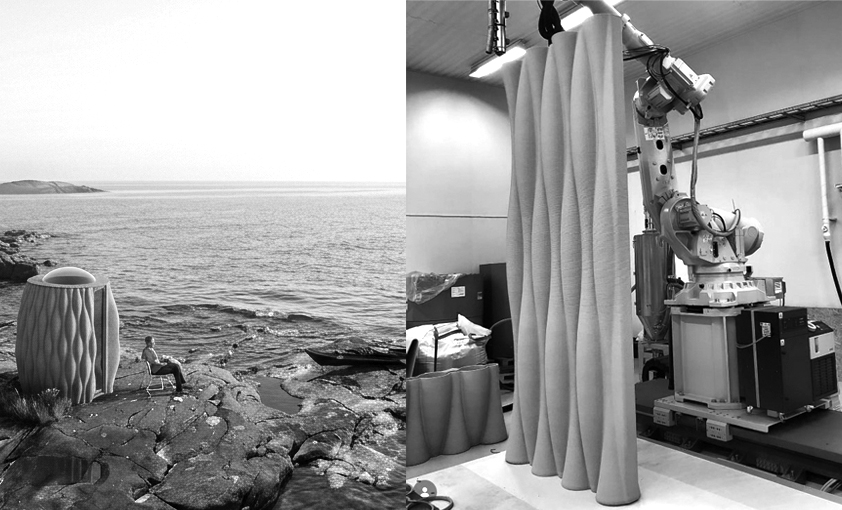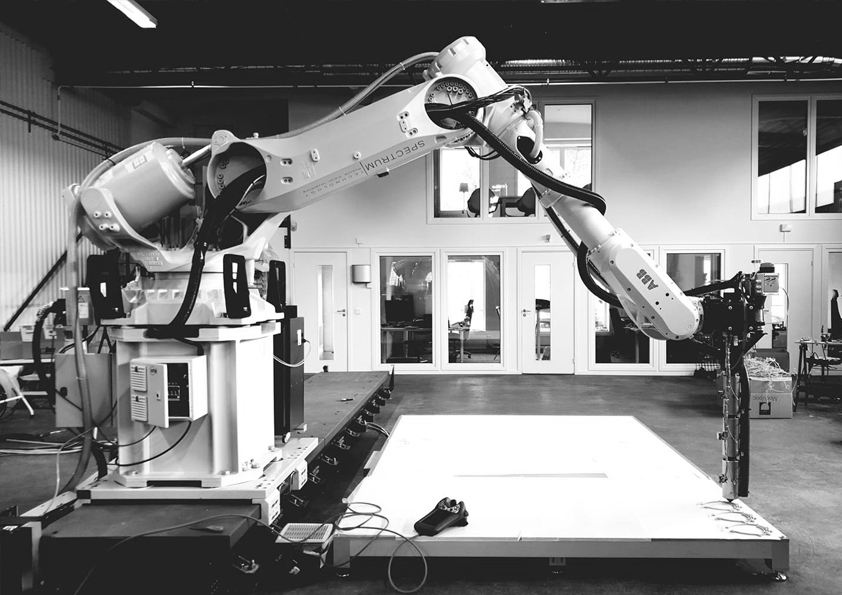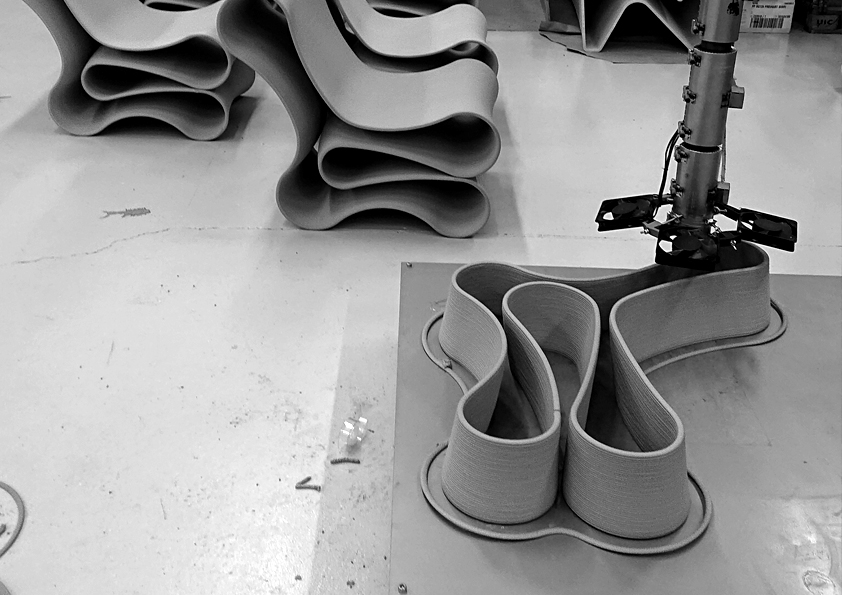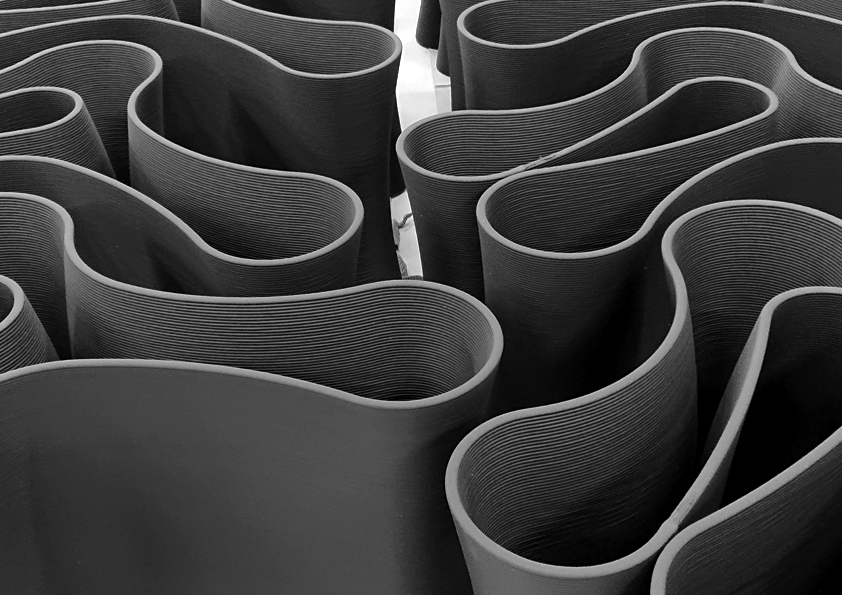
When we started working with robotic 3D printing, we explored many recycled waste materials:
Technically, many of these materials worked.
But after deeper research and lifecycle analysis, we realized something important:
Many “recycled” materials are only short-term solutions.
In order to make mixed waste printable, manufacturers often need to add new chemicals, stabilizers, and fresh plastic. Each recycling cycle weakens the material further, requiring even more additives and energy.
Eventually, the material becomes impossible to recycle efficiently again.
This creates a circular system that is not truly circular.
A good example is coffee-ground composites. While they may appear environmentally friendly, the fibers still require large amounts of plastic binders to function as printable material. Years later, recycling that product again becomes extremely difficult.
Instead of reducing waste, we risk creating more complex waste streams.
That is why we chose another path.
Today we work with advanced materials consisting of wood fibers and non-fossil plastics that can be recycled multiple times without adding new virgin plastic.
For us, sustainability means designing systems that function long-term — not creating temporary environmental storytelling.
Real sustainability must survive both production and time.